
by John Sayers TPC#560
  |
  |
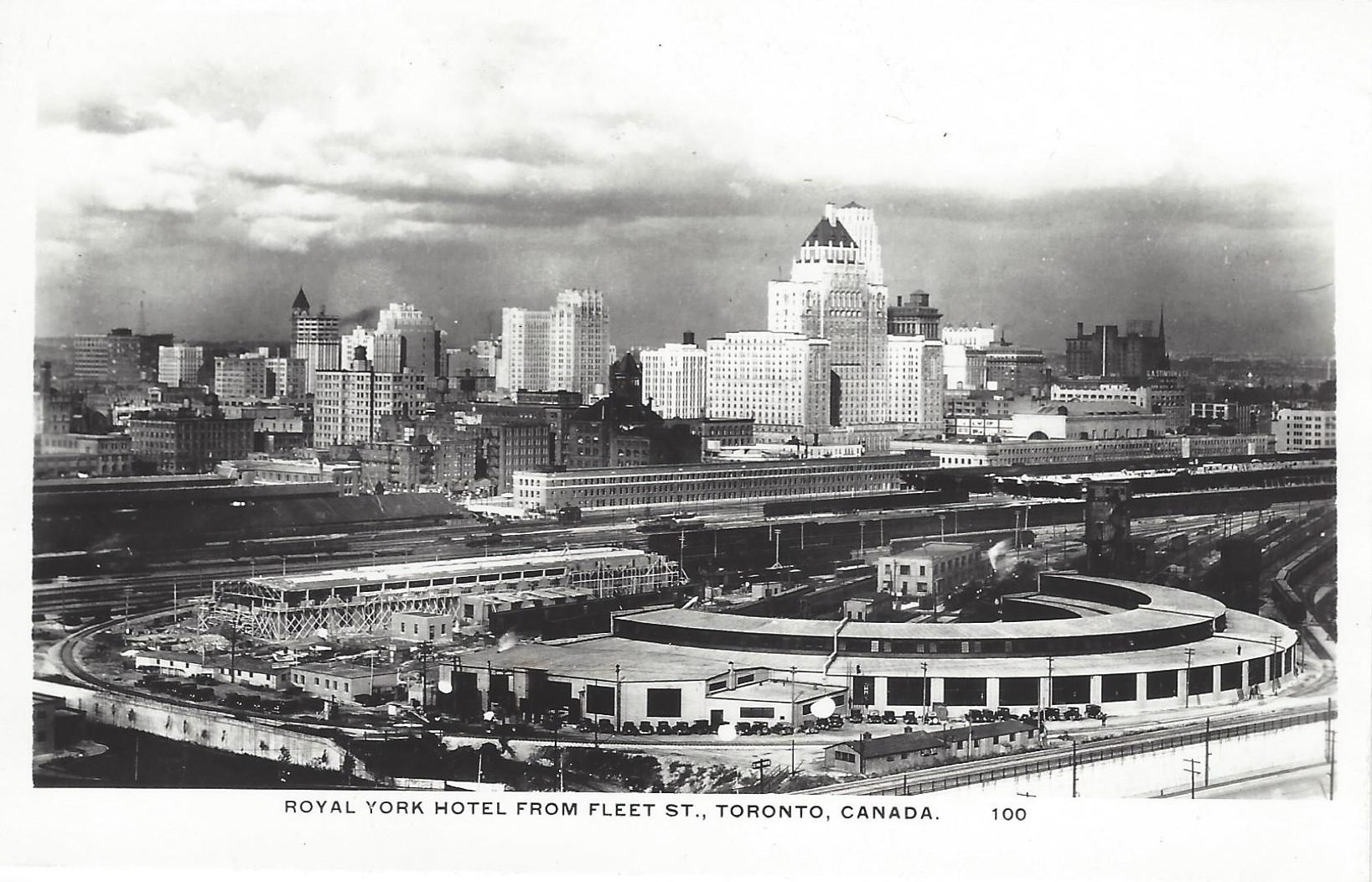 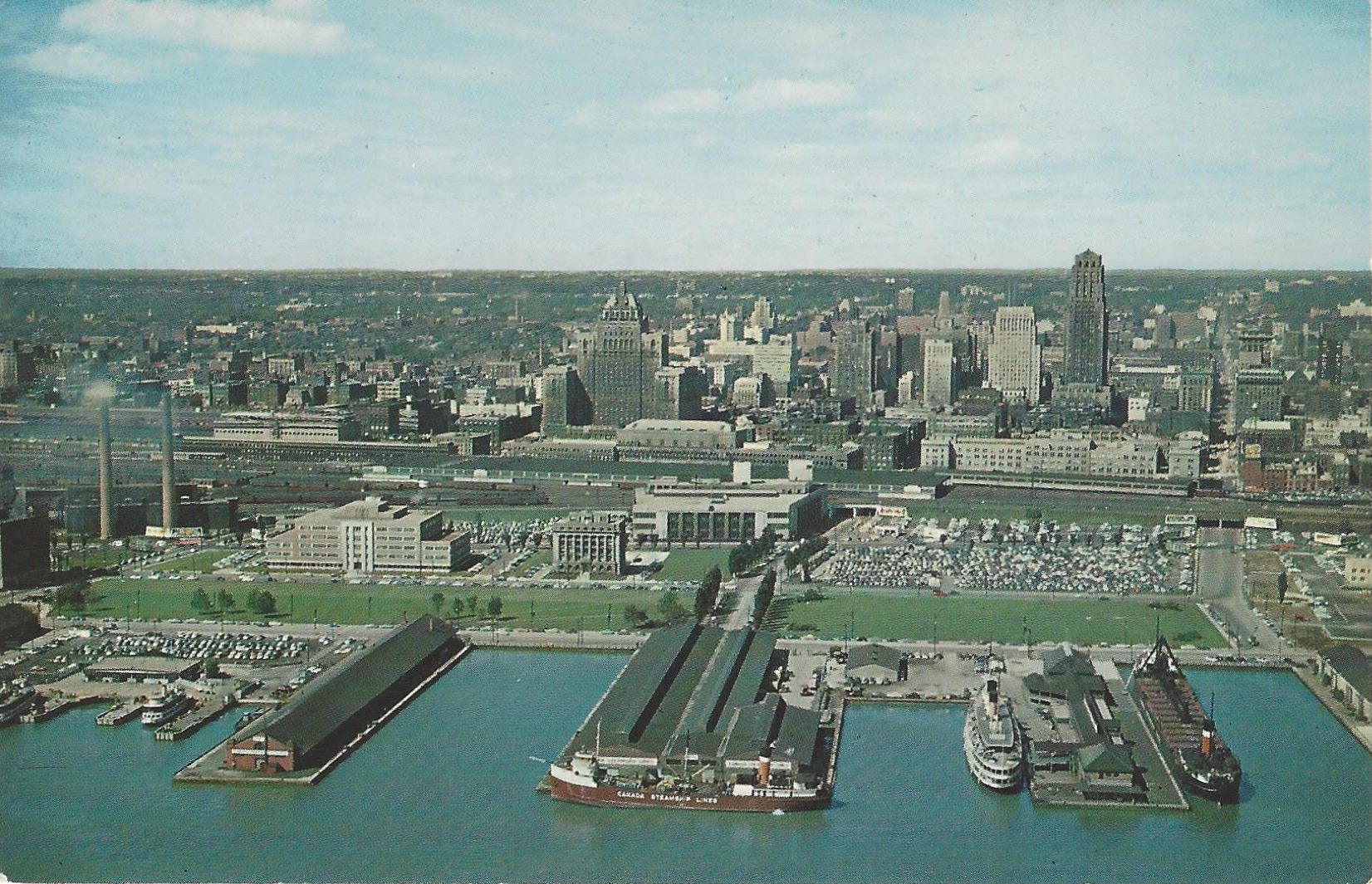 |
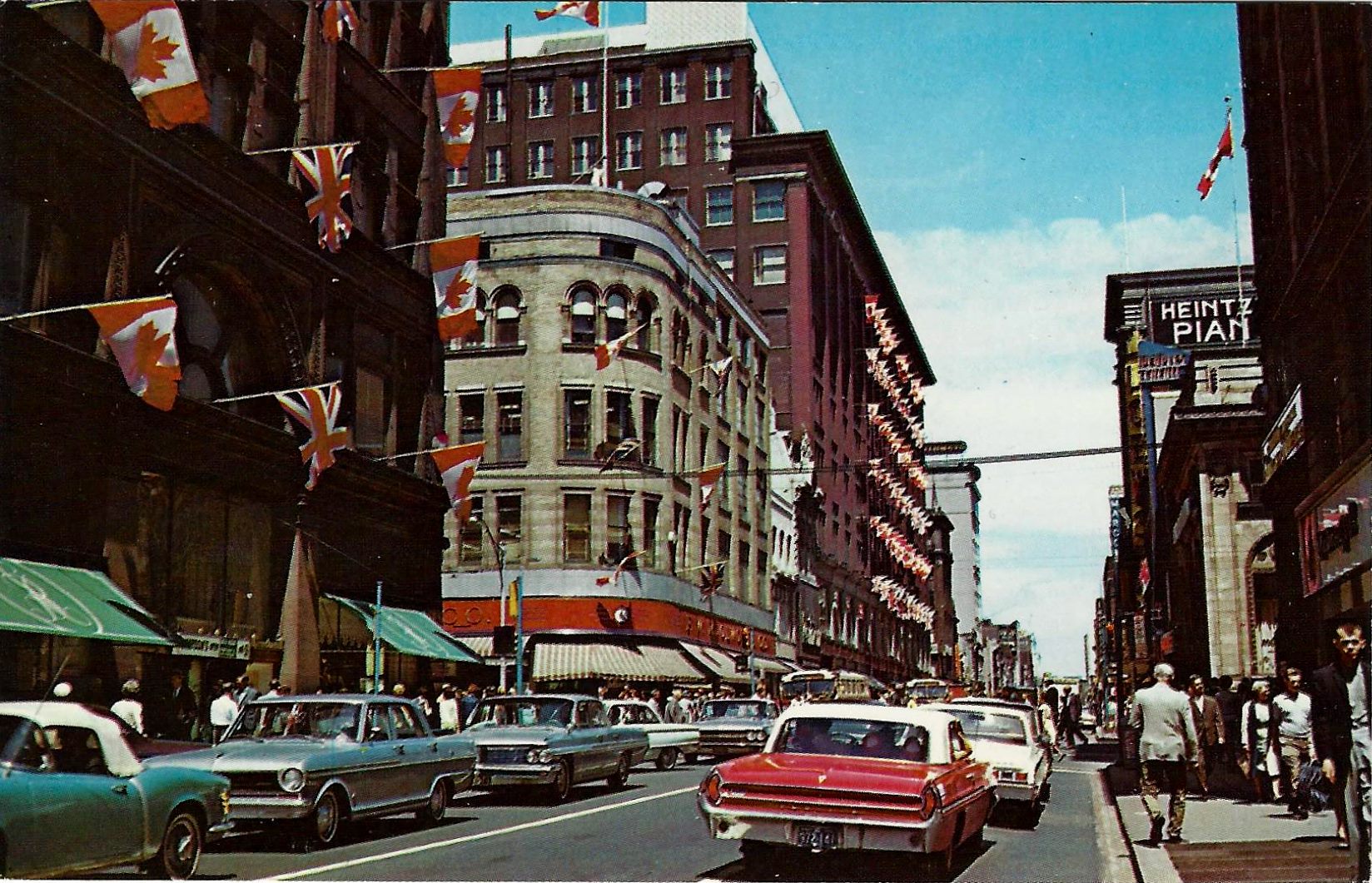
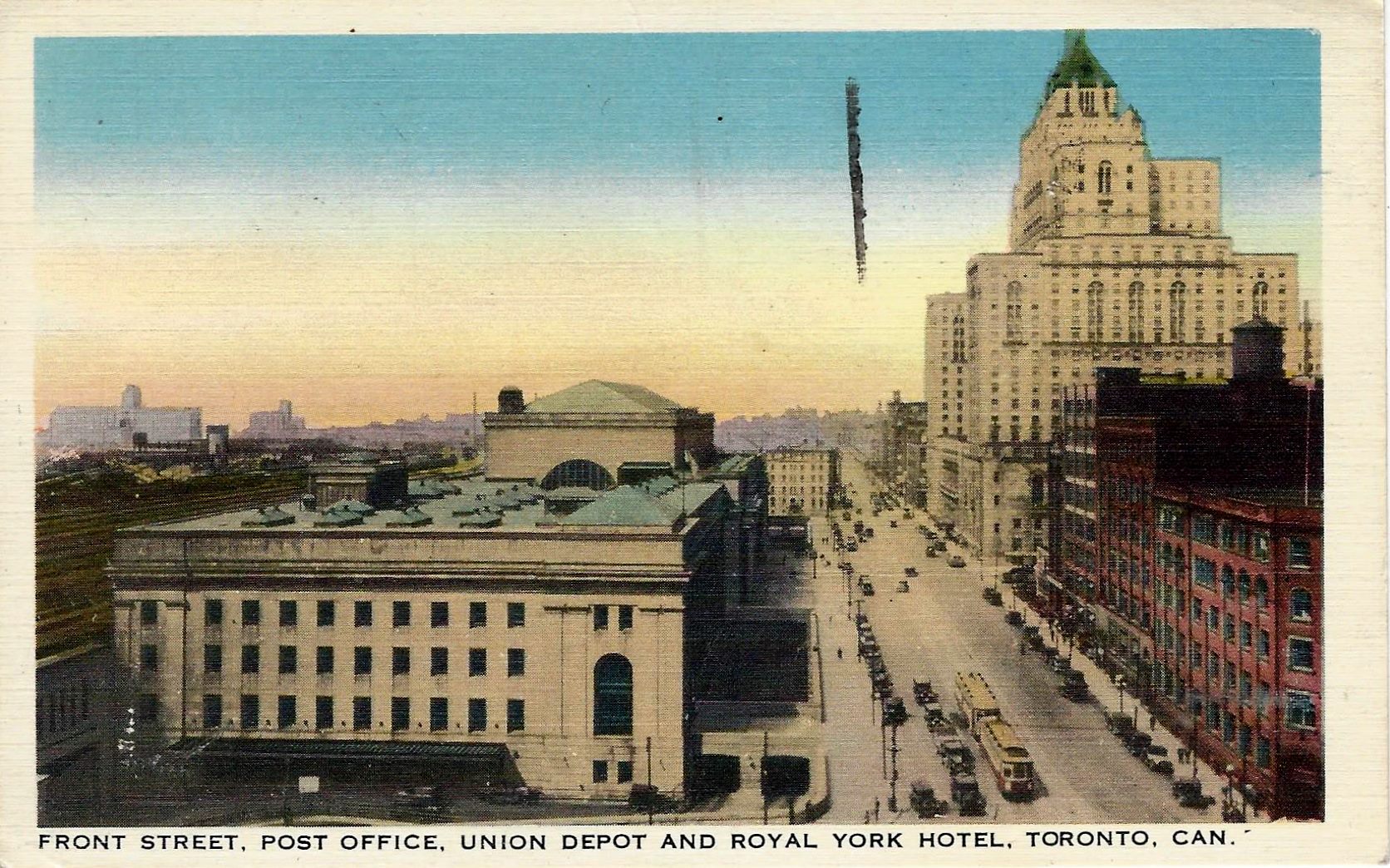
What are ‘Modern’ Cards? A good question, without a precise answer. In the 1950s, vintage cards were those produced in the years prior to World War I when billions of postcards were produced manufactured worldwide. Then, a fifty year old card was ‘vintage’ and a 1930s or 1940s or 1950s card was ‘modern’. Many collectors search for early 1900s postcards and treasure them more than a 1950s postcard which, even though it’s 65 years old, doesn’t seem to have earned the label ‘vintage’ yet. But those 65-year old cards (and newer ones) are certainly collectible. Many modern cards can be found in the family keepsakes of a previous generation. Parents and friends have cards that they received in the 40s and 50s that show buildings, fashions, vehicles and many other things that are now long gone. Modern postcards can show you what was there before you grew up, or can rekindle memories of growing up. You can research the history of the components of the view. Are the buildings still standing? Are the businesses still operating? Can you discover the exact year from looking at the autos and fashions?
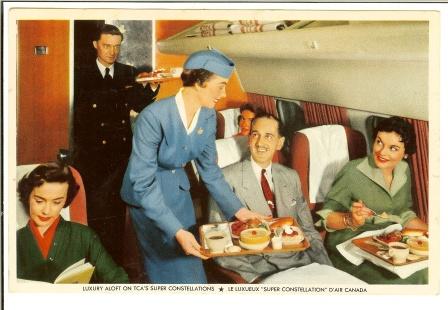
Some subjects aren’t found on vintage postcards because they didn’t exist one hundred years ago. A good example is airlines. Airlines are a popular topic within the transportation category. By contemporary standards, a card showing the interior of a Trans-Canada Airlines (the predecessor to Air Canada) Super Constellation airplane is old compared to today’s aircraft postcards. Note that they’re serving a substantial meal with china dinnerware. You won’t see that pictured on a card for one of today’s Air Canada flights!
What About Values? So what are modern postcards worth? As you can guess, it’s a matter of supply and demand. For example, views of Niagara Falls from the 1950s and earlier are plentiful, and therefore have nominal value. However, they can still provide an interesting record of how the roads, gardens, streetscape and local attractions have evolved over the years.
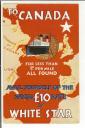 If the card is a ‘crossover’ card such as this one of the White Star Line, it’s art, it’s transportation and it’s an advertising card, and so this 1930s gem might cost more than a hundred dollars. Interestingly, it would have been given out free as a promotional item when it was issued.
It’s amazing how much has changed over the years, and that realization sparks the question of how much more things will have changed 50 years from today. Collecting ‘modern’ postcards is an affordable way to keep track of these changes today and for the generations to come.
Post Script 2016 – Blog TO’s Derek Flack presents a case for ‘modern postcards’ in his blog on Toronto in the 1970s and 1980s

I have some postcards I am curious about, 1 is HRH prince of Wales #176, Warwick bros &rutter
2nd is H..M King Edward VII #146
3rd is Queen Alexandra #147
How can I learn more about these or there value
On the TPC website in the FAQ section there is an overview of how to value vintage postcards. Have a look there.